A beautiful cabinet refinishing project rarely begins with the paint itself. While many homeowners spend time choosing the perfect color and finish, the success of the project often depends on something that remains hidden beneath the final coat. Primer creates the foundation that allows paint to bond properly, improves durability, and helps produce a smooth, professional-looking finish. Skipping this step or choosing the wrong primer can lead to peeling, uneven coverage, and disappointing results over time. Understanding how to choose the best primer for Cabinet Refinishing Modesto projects helps homeowners achieve a finish that looks attractive, lasts longer, and withstands everyday kitchen use.
Why Is Primer Important for Cabinet Refinishing?
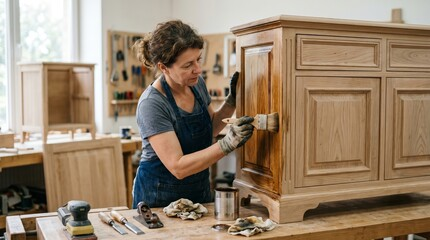
Primer serves as the bonding layer between the cabinet surface and the finish coat. Cabinets experience constant handling through opening, closing, cleaning, and exposure to moisture, grease, and changing temperatures. Without proper adhesion, even high quality paint may begin to chip or peel after repeated use. Applying the appropriate primer helps create a stable surface that allows the finish coat to adhere more effectively. This extra layer of preparation significantly improves the durability of the completed project.
Primer also creates a more uniform surface before painting begins. Many older cabinets contain stains, uneven coloring, or areas where previous finishes have worn differently over time. A quality primer helps conceal these variations so the topcoat appears consistent across every door and drawer front. It also reduces the number of finish coats that may otherwise be required to achieve complete coverage. Preparing the surface properly often results in a cleaner and more professional final appearance.
What Makes a Good Cabinet Primer?
A good cabinet primer should provide excellent adhesion while creating a smooth foundation for the finish coat. Since cabinet materials vary widely, the primer must bond effectively to wood, laminate, medium density fiberboard, or previously painted surfaces depending on the project. Strong adhesion reduces the likelihood of peeling, blistering, or chipping after the cabinets return to daily use. Durability becomes especially important in kitchens where cabinets experience constant contact and frequent cleaning. Selecting the appropriate primer helps maximize the lifespan of the refinished surface.
Another important characteristic is stain blocking ability. Older cabinets may contain grease stains, water marks, smoke residue, or wood tannins that can eventually bleed through fresh paint if not properly sealed. A high quality primer creates a barrier that prevents these imperfections from affecting the finished appearance. It also promotes more even color consistency across the entire cabinet system. Choosing a primer that addresses both adhesion and stain resistance provides a stronger foundation for long lasting results.
Does the Cabinet Material Affect Primer Selection?
The type of cabinet material plays a major role in determining which primer will perform best. Solid wood cabinets generally provide excellent surfaces for refinishing because properly prepared wood accepts primer well. Even so, different wood species may contain natural oils or tannins that require primers designed to prevent discoloration from affecting the final finish. Preparing the wood carefully before priming also improves overall adhesion. Understanding the characteristics of the cabinet material helps guide product selection.
Laminate cabinets require additional attention because their smooth, nonporous surfaces do not absorb primer in the same way that wood does. Instead, adhesion becomes the primary concern during preparation. Cabinets made from manufactured wood products also benefit from primers specifically formulated to bond securely while minimizing surface imperfections. Matching the primer to the cabinet material improves both durability and appearance. Proper compatibility helps ensure the refinishing project performs well over time.
How Should Cabinets Be Prepared Before Applying Primer?
Surface preparation is one of the most important steps in any cabinet refinishing project. Cabinets naturally accumulate grease, cooking residue, dust, fingerprints, and cleaning product buildup over years of everyday use. Even the highest quality primer cannot adhere properly if contaminants remain on the surface. Thorough cleaning removes these substances and creates a stable foundation for the next stages of refinishing. Taking time during preparation often has a greater impact on the final result than many homeowners realize.
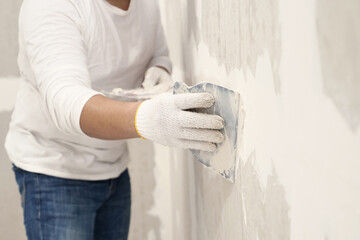
After cleaning, the cabinet surfaces should be inspected carefully for scratches, dents, chipped areas, loose finishes, or other imperfections. Minor repairs may be completed before primer is applied so the finished cabinets appear smooth and consistent. Surface preparation also helps improve adhesion by creating a texture that allows primer to bond more effectively. Once preparation has been completed, the cabinets are ready to receive a primer that supports a durable finish. Careful preparation contributes directly to the overall quality of the completed project.
What Problems Can the Wrong Primer Cause?
Choosing the wrong primer can affect both the appearance and longevity of cabinet refinishing. Poor adhesion may cause paint to peel, chip, or separate from the cabinet surface after repeated handling. Areas around cabinet handles and frequently used doors often show these problems first because they experience constant contact. Once adhesion begins to fail, repairing the finish may require additional preparation and repainting. Selecting the proper primer from the beginning helps avoid these unnecessary setbacks.
An unsuitable primer may also allow stains or discoloration to show through the finish over time. Wood tannins, grease stains, smoke residue, and previous finishes can gradually become visible if the primer does not provide adequate sealing. Uneven absorption may also create inconsistent color across cabinet surfaces. These issues reduce the visual quality of the refinishing project even when high quality paint has been used. Proper primer selection helps eliminate these concerns before the finish coat is applied.
How Can Homeowners Achieve Long Lasting Results?
Achieving durable cabinet refinishing results depends on combining careful preparation with proper application techniques. Allowing each layer of primer sufficient time to dry before applying additional coatings helps create a stronger bond throughout the finish system. Rushing the process may reduce adhesion and affect the final appearance. Patience during every stage of refinishing often produces noticeably better long-term performance. Allowing recommended curing time before regular cabinet use also supports greater durability.
Routine cabinet maintenance also helps preserve the refinished surface after the project has been completed. Gentle cleaning with nonabrasive products removes everyday dirt without damaging the finish. Excess moisture should be wiped away promptly, particularly around sinks and dishwashers where water exposure is more common. Avoiding harsh chemicals and abrasive cleaning tools helps maintain the protective coating for many years. Good maintenance practices extend the life of both the primer and the finish coat.
Should Homeowners Refinish or Replace Their Cabinets?
For many kitchens, refinishing offers an excellent alternative to replacing existing cabinets. Cabinets that remain structurally sound but appear outdated can often be transformed through careful preparation, proper priming, and a high quality finish. Refinishing typically requires less disruption than complete replacement while allowing homeowners to refresh the appearance of their kitchen. Updating cabinet color and finish often creates a dramatic visual improvement without changing the overall cabinet layout. This approach provides an attractive balance between appearance and cost.
Replacement may become necessary when cabinets have experienced severe structural damage, extensive water intrusion, or significant deterioration beyond cosmetic wear. In those situations, repairing the surface alone may not address underlying problems affecting functionality. Evaluating the overall condition of the cabinetry helps determine whether refinishing remains a practical option. Homeowners who understand the strengths and limitations of both approaches can make more informed renovation decisions. Selecting the appropriate solution supports long-term satisfaction with the finished kitchen.
Final Thoughts
Choosing the best primer for cabinet refinishing projects is one of the most important decisions homeowners can make during the refinishing process. The right primer creates a strong bond between the cabinet surface and the finish coat while improving durability, promoting even coverage, and helping conceal stains or imperfections. Combined with careful cleaning, proper surface preparation, and thoughtful application, a quality primer provides the foundation for a beautiful finish that withstands years of everyday use. Whether refinishing wood or laminate cabinets, investing time in selecting the appropriate primer contributes significantly to the overall success of the project. A well-prepared surface remains the key to achieving attractive, long-lasting cabinet refinishing results.