Rodents are among the most destructive household pests because they reproduce quickly, contaminate living spaces, and cause extensive damage if left untreated. Mice and rats can chew through electrical wiring, insulation, wood, plastic, and food packaging while spreading bacteria through their droppings and urine. Since these pests are often active at night and prefer hidden spaces, infestations may become well established before homeowners notice the warning signs. Taking action early is essential for protecting both the home and the health of the people living inside it. Understanding how rodent control works helps homeowners eliminate existing infestations while preventing future problems. Click Here for more details.
Why Is Rodent Control So Important?
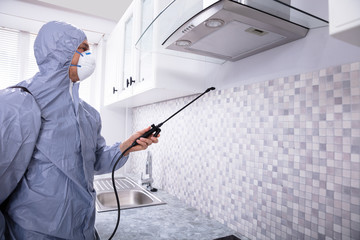
Rodent control is important because mice and rats can cause significant property damage in a relatively short period. Their constantly growing teeth require continuous chewing, which often leads them to damage wood framing, drywall, insulation, plastic pipes, and even electrical wiring hidden behind walls. Damaged wiring creates potential fire hazards that may require costly repairs. The longer rodents remain inside a property, the greater the risk of structural damage becomes. Early intervention helps minimize these problems.
Rodents also present serious sanitation concerns inside homes. Their droppings, urine, and nesting materials can contaminate food storage areas, kitchen cabinets, pantries, and other frequently used spaces. As infestations grow, unpleasant odors may develop while indoor air quality declines due to accumulated waste and nesting debris. Homes with rodent activity often require thorough cleaning after the infestation has been eliminated. Preventing contamination is one of the primary goals of effective rodent control.
What Are the Signs of a Rodent Infestation?
Recognizing the early warning signs of rodent activity allows homeowners to respond before the infestation becomes more difficult to manage. One of the most common indicators is the presence of small droppings near food storage areas, inside cabinets, behind appliances, or along walls where rodents frequently travel. Gnaw marks on food packaging, wood, plastic containers, or electrical wiring also suggest that rodents are active inside the property. These signs should never be ignored because rodent populations can increase rapidly. Early detection greatly improves treatment success.
Other common signs include scratching or scurrying noises inside walls, ceilings, attics, or crawl spaces, particularly during the evening when rodents become more active. Homeowners may also discover shredded paper, insulation, fabric, or cardboard that rodents use to build nests in quiet, undisturbed locations. Grease marks along walls and unusual pet behavior may provide additional clues that rodents are present. Identifying these warning signs early helps prevent larger infestations. Careful observation supports faster intervention.
How Does Professional Rodent Control Work?
Professional rodent control begins with a detailed inspection of the property to determine how rodents are entering and where they are nesting. Technicians carefully examine both the interior and exterior of the home for droppings, gnaw marks, nesting materials, access points, and environmental conditions that attract rodents. Understanding the full extent of the infestation allows an effective treatment plan to be developed. Accurate inspection is one of the most important parts of successful rodent management. Every property requires an individualized approach.
After the inspection, treatment methods are selected according to the specific infestation. Depending on the situation, these may include strategically placed traps, tamper-resistant bait stations, monitoring devices, and exclusion techniques that prevent rodents from re-entering the home. Rather than focusing only on removing visible rodents, professional treatment addresses the conditions that allowed the infestation to develop. This comprehensive approach supports long-term control. Eliminating the source of the problem helps prevent future infestations.
How Can Homeowners Prevent Rodents From Entering?
Prevention plays a major role in successful rodent control because eliminating entry points greatly reduces the likelihood of future infestations. Mice can squeeze through openings as small as a coin, while rats require only slightly larger gaps to enter a building. Cracks around foundations, utility lines, roof vents, doors, windows, and crawl spaces should all be inspected regularly and sealed when necessary. Closing these access points limits opportunities for rodents to enter. Exclusion is one of the most effective preventive strategies.
Keeping the property clean also discourages rodent activity by removing food and water sources. Food should be stored in sealed containers, garbage disposed of regularly, and crumbs cleaned promptly from floors and countertops. Outdoor maintenance such as trimming shrubs, removing debris piles, and storing firewood away from the home’s foundation reduces sheltered nesting areas near the structure. Simple maintenance habits make the property less attractive to rodents. Prevention begins with everyday housekeeping.
Are DIY Rodent Control Methods Effective?
Many homeowners attempt to control rodents using traps or bait purchased from retail stores. These products may capture individual rodents and help reduce activity during the early stages of an infestation. For very small problems, do-it-yourself methods can sometimes provide temporary improvement when combined with proper sanitation and exclusion efforts. However, success depends on correct trap placement and accurate identification of rodent travel routes. Small infestations may respond to basic control measures.
Larger infestations are generally much more difficult to eliminate without professional assistance. Rodents often nest inside wall cavities, attics, crawl spaces, or other hidden locations that are not easily accessible. Simply removing visible rodents does not address hidden nests or entry points that allow new rodents to continue entering the home. Without correcting these underlying problems, infestations frequently return. Comprehensive treatment often provides more reliable long-term results.
Why Is Ongoing Rodent Monitoring Important?
Even after rodents have been removed, ongoing monitoring helps ensure the infestation does not return. Regular inspections allow homeowners to identify fresh droppings, new entry points, or early signs of activity before rodent populations become established again. Monitoring also confirms that exclusion work remains effective as the property ages and seasonal weather conditions change. Early detection reduces the need for more extensive treatment later. Consistent inspections support long-term protection.
Seasonal changes often influence rodent behavior because colder weather encourages mice and rats to seek warmth and shelter indoors. Properties located near wooded areas, farmland, or open fields may experience increased rodent pressure during certain times of the year. Maintaining regular inspections throughout the year helps homeowners respond quickly to changing conditions. Ongoing monitoring strengthens every rodent prevention strategy. Long-term vigilance remains essential.
How Does Rodent Control Protect Property Value?
Effective rodent control protects more than the home’s structure because it also preserves its overall value. Damage caused by rodents can reduce buyer confidence during property inspections if droppings, gnawed wiring, damaged insulation, or nesting materials are discovered. Keeping the home free from rodent activity demonstrates responsible maintenance and reduces concerns about hidden pest problems. Well-maintained homes often present better during resale. Preventive care protects both the property and its marketability.
A rodent-free home also provides a healthier and more comfortable living environment for everyday occupants. Eliminating rodents reduces contamination risks, unpleasant odors, and ongoing repair costs associated with repeated infestations. Maintaining a proactive rodent control program allows homeowners to enjoy greater peace of mind while protecting one of their most valuable investments. Long-term prevention supports both comfort and financial security. Responsible maintenance benefits homeowners for many years.
Final Thoughts
Rodent control is an essential part of protecting a home from the damage, contamination, and health concerns associated with mice and rats. Early detection, thorough inspections, targeted treatment, exclusion techniques, and routine preventative maintenance all contribute to successful long-term rodent management. While minor infestations may respond to basic control methods, larger or recurring rodent problems often require a more comprehensive approach that addresses both the pests and the conditions allowing them to thrive. By taking proactive steps to prevent infestations and responding quickly to early warning signs, homeowners can protect their property, preserve a healthier living environment, and reduce the likelihood of future rodent problems.