A few inches of water on the floor may not seem like a major disaster at first, but the damage often extends far beyond what is visible. Water has an incredible ability to seep into walls, flooring, insulation, ceilings, and structural materials within a short period. What begins as a small plumbing leak or an overflowing appliance can quickly turn into a much larger restoration project if it is not addressed promptly. Many homeowners are surprised to learn that the visible water is only part of the problem because hidden moisture can continue affecting the home long after surfaces appear dry. Understanding what Water Damage Restoration Utah involves and why it matters can help homeowners respond quickly, minimize damage, and protect their property from long-term problems.
What Is Water Damage Restoration?
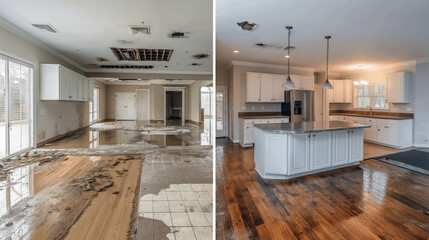
Water damage restoration is the process of returning a property to a safe, clean, and stable condition after it has been affected by unwanted water. The goal is not simply to remove standing water but to address all moisture that has entered the building, including water trapped inside walls, flooring, ceilings, and structural components. Restoration involves a series of carefully planned steps that help prevent additional deterioration while preparing the property for any necessary repairs. Every restoration project begins with understanding the source of the water and the extent of the damage before corrective work begins.
The restoration process differs from ordinary cleaning because it focuses on preserving the structural integrity of the home. Water often spreads far beyond the area where the leak or flood first occurred, making careful evaluation essential. Moisture hidden beneath flooring or behind drywall can continue affecting the property even after visible surfaces appear dry. By addressing both visible and concealed moisture, water damage restoration helps reduce long-term structural concerns while improving the overall recovery process. A thorough approach provides homeowners with greater confidence that the problem has been resolved completely.
What Causes Water Damage in a Home?
Residential water damage can develop from many different sources, and some occur much more suddenly than others. Burst pipes, overflowing washing machines, leaking water heaters, damaged plumbing connections, and overflowing sinks are among the most common causes. Roof leaks may also allow rainwater to enter attic spaces before gradually affecting ceilings and walls. In many cases, homeowners do not notice these problems immediately because the water spreads slowly through hidden areas before becoming visible. Early recognition of these situations helps reduce the amount of restoration required.
Natural weather conditions also contribute to water damage in certain situations. Heavy rainfall, severe storms, melting snow, and drainage problems can all introduce moisture into basements, crawl spaces, or lower levels of a home. Poor grading around the property may allow water to collect near the foundation, increasing the likelihood of seepage. Even excessive indoor humidity and condensation around plumbing or heating and cooling systems can contribute to moisture problems over time. Understanding these common causes allows homeowners to take preventive measures before extensive damage develops.
What Happens During the Water Damage Restoration Process?
The restoration process typically begins with a detailed inspection of the affected property. Every area exposed to water is evaluated to determine how far moisture has spread and which materials have been affected. Because water frequently travels into hidden spaces, professionals assess not only visible damage but also areas beneath flooring, inside walls, and above ceilings where moisture may remain trapped. This careful evaluation creates a clear understanding of the work required to restore the property properly. Identifying the source of the water is also an essential part of the initial assessment.
Once the inspection has been completed, standing water is removed from the property using appropriate extraction equipment whenever necessary. After water removal, attention shifts to drying the affected materials thoroughly. Air movement and moisture reduction become essential because building materials often continue holding water long after surface puddles disappear. Throughout the drying process, moisture levels are monitored carefully to ensure hidden dampness has been eliminated before repairs begin. Cleaning and preparing damaged areas also form an important part of restoration so the home is ready for rebuilding where needed.
Why Is Fast Action So Important After Water Damage?
Time is one of the most important factors influencing the success of water damage restoration. The longer water remains inside the home, the more opportunities it has to penetrate structural materials and spread into surrounding areas. Drywall quickly absorbs moisture, wood begins expanding, flooring may warp, and insulation loses much of its effectiveness once saturated. These changes often continue even after standing water has been removed. Responding quickly helps minimize the amount of material affected while reducing the overall cost of restoration.
Prompt action also helps reduce the likelihood of hidden moisture remaining inside the structure. Water that stays trapped inside walls, ceilings, or flooring may continue causing deterioration long after the original leak has stopped. Early drying improves the chances of preserving existing materials rather than replacing them. Acting quickly also shortens the overall restoration timeline because less extensive damage typically requires fewer repairs. Homeowners who respond immediately often experience a smoother and more efficient recovery process.
How Can Water Damage Affect Different Parts of a Home?
Water affects nearly every building material differently, making comprehensive restoration especially important. Drywall readily absorbs moisture and may soften or lose structural strength after prolonged exposure. Wooden framing, flooring, cabinets, and trim can swell, expand, or become distorted as they absorb water. Flooring materials such as hardwood and laminate often react differently depending on the amount of moisture present and the length of exposure. These changes may continue developing until the affected materials are thoroughly dried.
Hidden areas often experience significant damage because moisture is not immediately visible. Insulation may become saturated, reducing its ability to regulate indoor temperatures effectively. Water trapped beneath flooring can weaken adhesives and create uneven surfaces over time. Ceiling materials may sag as absorbed moisture increases their weight. Even areas that appear completely dry may still contain hidden moisture requiring careful evaluation. Comprehensive restoration addresses all affected materials rather than focusing only on the most obvious damage.
How Can Homeowners Help Prevent Future Water Damage?
Routine maintenance remains one of the most effective ways to reduce the risk of future water damage. Plumbing systems should be inspected regularly for loose fittings, worn supply lines, corrosion, and slow leaks. Water heaters, washing machine hoses, dishwashers, and refrigerators with water connections should also receive periodic attention because aging components may eventually fail. Replacing worn parts before they leak often prevents expensive restoration work later. Consistent maintenance allows homeowners to identify potential concerns before they become emergencies.
Exterior maintenance also plays an important role in prevention. Gutters should remain clean so rainwater flows away from the roof and foundation efficiently. Downspouts should discharge water away from the home, and landscaping should encourage proper drainage around the property. Homeowners should also watch for subtle warning signs such as peeling paint, water stains, musty odors, or warped flooring because these may indicate hidden moisture. A proactive maintenance routine significantly reduces the likelihood of major water damage occurring in the future.
Why Is Professional Restoration Important?
Although homeowners can often remove visible water, complete restoration usually requires addressing moisture that cannot easily be seen. Water frequently travels behind walls, beneath flooring, and inside structural cavities where it continues affecting building materials even after surfaces appear dry. Professional restoration focuses on locating and addressing these hidden areas to reduce the likelihood of long-term structural problems. Careful evaluation ensures that moisture is removed as completely as possible before repairs begin. This thorough approach helps restore the property more effectively.
Professional restoration also provides valuable guidance during the recovery process. A detailed assessment helps determine which materials can be preserved and which require replacement. Monitoring moisture levels throughout drying helps confirm that affected areas have reached appropriate conditions before reconstruction begins. Instead of focusing only on immediate cleanup, restoration emphasizes long-term property protection. This comprehensive process gives homeowners greater confidence that the home has been restored safely and thoroughly.
Final Thoughts
Water damage restoration is much more than removing standing water from a home. It is a complete process that identifies hidden moisture, removes excess water, thoroughly dries affected materials, and prepares the property for successful repairs. Acting quickly after water damage occurs significantly improves the chances of preserving structural materials while reducing restoration costs and limiting long-term damage. Combined with routine home maintenance and early attention to warning signs, professional restoration helps protect the safety, comfort, and value of a home. By understanding how water damage restoration works, homeowners can respond confidently when unexpected water emergencies arise and take meaningful steps to protect their property for years to come.