Drywall services play a fundamental role in modern construction and renovation projects, providing the foundation for smooth, durable, and visually appealing interior walls and ceilings. Whether for new construction, remodeling, or repairs, drywall installation and finishing are essential for creating clean, functional indoor spaces. From residential homes to commercial buildings, drywall systems are widely used because of their affordability, efficiency, and versatility. Understanding how drywall services work and why they are important can help property owners make better decisions when building or improving interior environments.
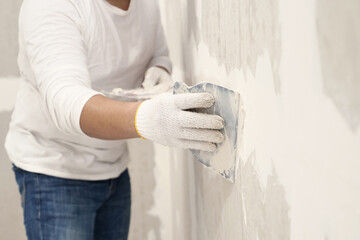
At its core, drywall is a construction material made of gypsum-based panels that are installed to form interior walls and ceilings. Once installed, the panels are taped, mudded, sanded, and finished to create a seamless surface ready for painting or decoration. While the material itself is relatively simple, achieving a high-quality finish requires skill, precision, and experience. Professional drywall services ensure that walls are not only structurally sound but also smooth, level, and free of visible imperfections.
One of the primary reasons drywall services are so important is their impact on the overall appearance of a space. Even small imperfections such as uneven seams, nail pops, or visible joints can significantly affect the look of an interior. Proper drywall installation ensures a flawless surface that enhances lighting, paint application, and interior design. A well-finished wall provides the perfect backdrop for furniture, décor, and architectural features, contributing to a polished and cohesive environment.
Drywall services are not limited to installation alone. They also include repair, replacement, and restoration work. Over time, walls can become damaged due to moisture, accidental impact, structural movement, or general wear and tear. Cracks, holes, and dents are common issues that require professional attention to restore the wall’s original condition. Skilled drywall technicians can seamlessly repair damaged areas so that the finished surface blends perfectly with the surrounding wall, making the repair virtually invisible.
Another key advantage of drywall services is their efficiency. Compared to traditional plaster systems, drywall installation is faster and more cost-effective while still delivering high-quality results. Large sections of wall can be installed quickly, reducing labor time and overall project duration. This efficiency makes drywall the preferred choice for many construction and renovation projects where time and budget are important considerations.
Drywall services typically include several important stages:
- Measurement and preparation of wall or ceiling surfaces.
- Installation of drywall panels using proper fastening techniques.
- Sealing of joints with tape and joint compound.
- Sanding and smoothing of surfaces for a uniform finish.
- Final inspection and preparation for painting or finishing.
Each of these steps requires attention to detail to ensure a professional result that meets structural and aesthetic standards.
Beyond standard walls and ceilings, drywall services also include specialized applications. Moisture-resistant drywall is often used in areas exposed to humidity, such as bathrooms and kitchens, while fire-resistant drywall is installed in areas requiring additional safety measures. Soundproof drywall is also used in spaces where noise reduction is important, such as offices, studios, or shared living environments. These specialized materials allow drywall services to be adapted to different functional requirements within a building.
Proper installation is critical to the performance and longevity of drywall systems. Poor installation can lead to a range of issues, including uneven surfaces, cracking, and structural weakness. Professional drywall services ensure that panels are correctly aligned, securely fastened, and properly finished to prevent future problems. Attention to detail during installation also helps improve insulation performance and overall energy efficiency within a building.
Drywall finishing is one of the most important aspects of the entire process. This stage involves applying joint compound, also known as mud, over seams and fasteners to create a smooth surface. Multiple layers may be applied, with sanding between each layer to achieve a flawless finish. The quality of the finishing work directly affects how the final painted surface will appear. Poor finishing can result in visible lines, texture inconsistencies, or uneven paint absorption.
Several benefits highlight the importance of professional drywall services:
- Creation of smooth, visually appealing interior surfaces.
- Improved structural integrity and wall durability.
- Faster installation compared to traditional plaster methods.
- Enhanced insulation and energy efficiency performance.
- Ability to repair and restore damaged wall surfaces seamlessly.
These advantages make drywall services an essential part of both new construction and renovation projects.
Drywall repair services are especially valuable for maintaining the condition of interior spaces over time. Everyday activities can lead to minor damage such as holes from wall fixtures, scuffs from furniture movement, or cracks caused by settling structures. While these issues may seem small, they can affect the overall appearance of a room if left unaddressed. Professional repair services restore walls to their original condition, ensuring that interiors remain clean, smooth, and visually consistent.
In addition to repair and installation, drywall services often include texture application. Texturing can be used to add visual interest to walls or to conceal minor imperfections. Common texture styles include smooth finishes, patterned designs, and subtle surface variations. The choice of texture depends on design preferences and the overall aesthetic of the space. Skilled professionals can apply consistent textures that enhance interior design while maintaining durability.
Modern drywall services also emphasize efficiency and sustainability. Many drywall materials are now manufactured using environmentally conscious processes, and installation techniques are designed to minimize waste. In addition, drywall contributes to energy efficiency by providing insulation support and helping regulate indoor temperatures. These benefits make drywall a practical choice for environmentally aware construction and renovation projects.
Another important aspect of drywall services is their role in supporting interior design flexibility. Drywall allows for easy customization of room layouts, making it possible to create partitions, decorative features, and architectural details. This flexibility is especially valuable in modern spaces where adaptability and multifunctional design are increasingly important. Whether creating open-concept layouts or defined room divisions, drywall provides the structural foundation needed for versatile interior design.
Professional drywall services also include careful inspection and quality control. Each stage of installation and finishing is reviewed to ensure consistency, accuracy, and durability. This attention to quality helps prevent future issues and ensures that the finished surfaces meet industry standards. Proper inspection also ensures that repairs are completed correctly and that new installations integrate seamlessly with existing structures.
In conclusion, drywall services are a critical component of interior construction and renovation, providing the foundation for smooth, durable, and visually appealing walls and ceilings. From installation and finishing to repair and specialized applications, drywall plays a key role in shaping interior environments. With professional workmanship, attention to detail, and high-quality materials, drywall services ensure that spaces are not only functional but also aesthetically refined. As modern construction continues to evolve, drywall remains an essential solution for creating comfortable, efficient, and well-designed interiors.